


Pakistan: Mandatory Halal Certification Raises New Concerns About Discrimination
Dietary norms are weaponized to create barriers against non-Muslim business owners and workers.
January 5, 2026

A new report released by the Christian human‑rights NGO Legal Evangelical Association Development (LEAD) argues that Pakistan’s expanding system of mandatory halal certification is deepening the social and economic marginalization of non-Muslim citizens. According to the organization, what was once a religious dietary guideline has evolved into a broad regulatory mechanism affecting food, medicine, cosmetics, banking, and other sectors—often in ways that exclude Christians, Hindus, Sikhs, and other minorities from equal participation.
Halal certification in Pakistan frequently requires that certain products be prepared, handled, or slaughtered exclusively by Muslims. This creates structural barriers for non-Muslim workers and business owners, who may be denied employment or commercial opportunities simply because of their religious identity. It is a form of institutionalized discrimination, one that reinforces long-standing prejudices against religious minorities.
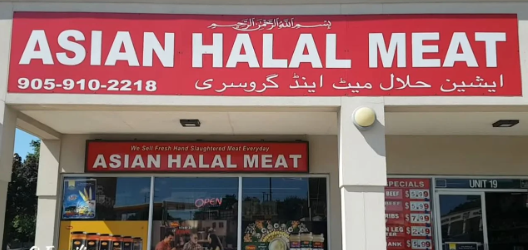
Examples from outside Pakistan are also cited to illustrate how halal-only policies can generate social tension. LEAD points, for instance, to controversies in Canada, where some restaurant chains have adopted exclusively halal menus, prompting objections from Hindu and Sikh communities who follow different dietary rules. Within Pakistan, however, the consequences are more severe.
Everyday practices—such as refusing to eat food prepared by Christians or rejecting meat slaughtered by non-Muslims—reinforce social segregation. These attitudes contribute to discriminatory hiring practices and deepen the economic vulnerability of minority communities. In Pakistan, non-Muslims already face systemic obstacles in education, employment, and public life. The expansion of halal-based requirements risks further entrenching inequality.
The Universal Declaration of Human Rights and the International Covenant on Civil and Political Rights guarantee freedom of religion, equal protection under the law, and the right to work without discrimination. Policies that effectively restrict economic participation based on religious identity run counter to these commitments.
Mandatory halal systems can become tools of coercion rather than consumer choice. When certification becomes compulsory rather than voluntary, it risks fueling resentment, religious hatred, and—ultimately—violence against minority communities.
LEAD calls on governments, policymakers, and civil‑society leaders—both in Pakistan and internationally—to reassess mandatory halal certification regimes. Economic life should not be governed by sectarian rules that privilege one faith over others. Ensuring equal access to food, medicine, banking, and commerce is essential to protecting pluralism and preventing the escalation of religious extremism.
While halal dietary practices remain an essential part of Muslim religious life, transforming them into compulsory national standards risks deepening the divide between Pakistan’s Muslim majority and its non-Muslim minorities. In the present Pakistani context, such policies may further erode the fragile space available to Christians, Hindus, Sikhs, and others seeking equal citizenship.
Source: bitterwinter.org


Komentáře